
An update from the Admiral has the Kennedy returning
to its rightful place at MMA on December 15. As we await its return we become
mindful of how our home here on Taylor's Point is also the home of delicate
ecosystems known as wetlands.
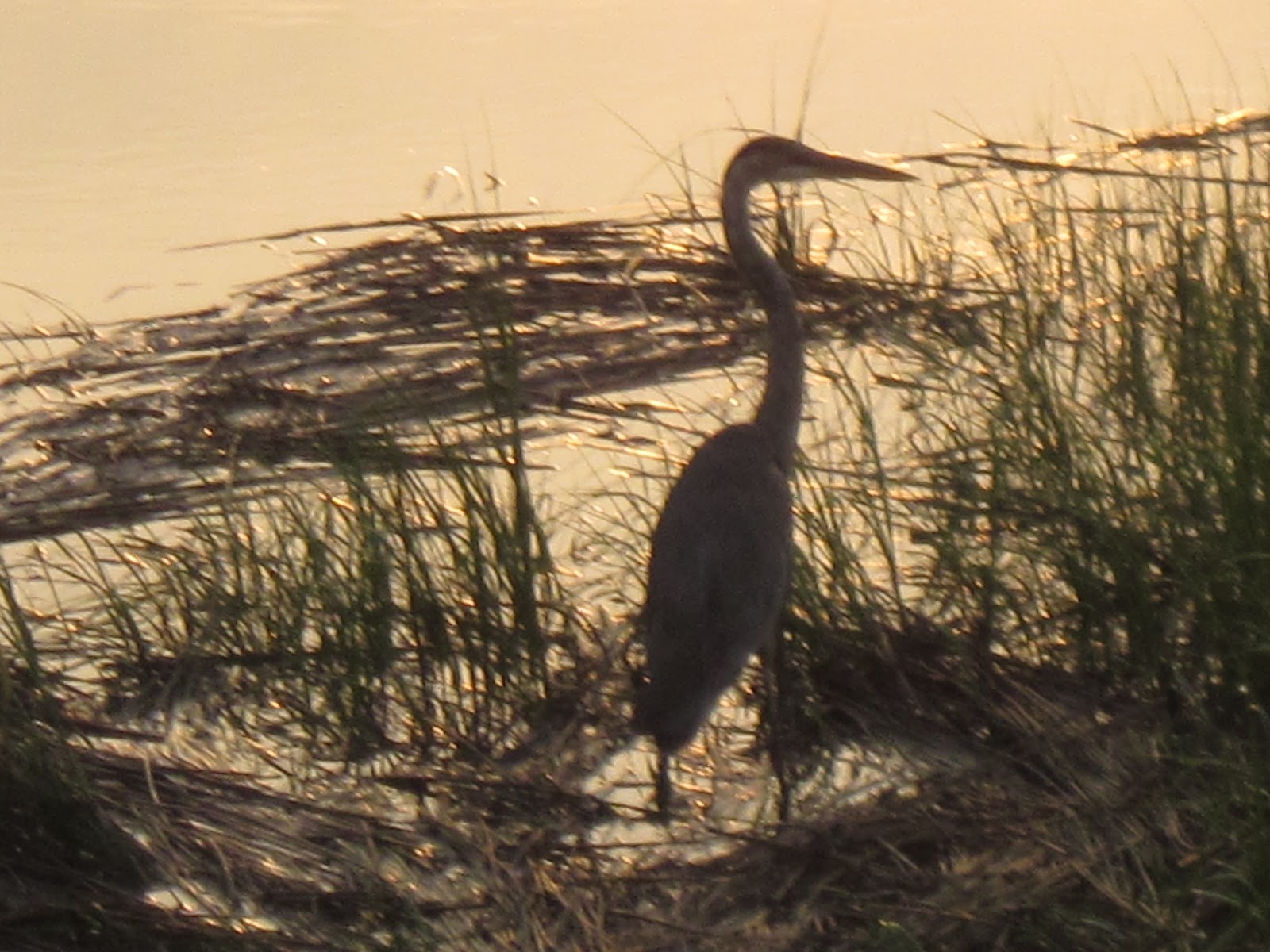
According to a US Environmental Protection
Agency (US EPA) document, America's Wetlands: Our Vital Link Between
Land and Water, wetlands are among the most productive ecosystems
in the world, comparable to rain forests and coral reefs. An immense variety of
species of microbes, plants, insects, amphibians, reptiles, birds, fish, and
mammals can be part of a wetland ecosystem. Physical and chemical features such
as climate, landscape shape (topology), geology, and the movement and abundance
of water help to determine the plants and animals that inhabit each wetland.
The complex, dynamic relationships among the organisms inhabiting the wetland
environment are referred to as food webs.
Wetlands are areas where water
covers the soil, or is present either at or near the surface of the soil for at
least part of the growing season. The occurrence and flow of water (hydrology)
largely determine how the soil develops and the types of plant and animal
communities living in and on the soil. Wetlands may support both aquatic and
terrestrial species.
Wetlands
vary widely because of regional and local differences in soils, topography,
climate, hydrology, water chemistry, vegetation, and other factors, including
human disturbance. Indeed, wetlands are found from the tundra to the tropics
and on every continent except Antarctica. Two broad categories of wetlands are
recognized: tidally-influenced wetlands and non-tidal (or inland) wetlands.
Wetlands provide great volumes of food that
attract many animal species. These animals use wetlands for part of or all of
their life-cycle. Dead plant leaves and stems break down in the water to form
small particles of organic material called "detritus." This enriched
material feeds many small aquatic insects, shellfish, and small fish that are
food for larger predatory fish, reptiles, amphibians, birds, and mammals.
The biological, chemical, and physical
operations and attributes of a wetland are known as wetland functions. Some
typical wetland functions include: wildlife habitat and food chain support,
surface water retention or detention, groundwater recharge, and nutrient transformation.
Distinct from these intrinsic natural functions are human uses of and
interaction with wetlands. Society's utilization and appraisal of wetland
resources is referred to as wetland values, which include: support for
commercially valuable fish and wildlife, flood control, supply of drinking
water, enhancement of water quality, and recreational opportunities.
Here is an activity for you and your classmates
to try, completion of this webquest
will help to understand the delicate ecosystems we call wetlands.
Summarize your learning here: Brackish Tidal Marsh Wetlands
What are Wetlands?
What is a brackish tidal marsh?
Draw a tidal marsh rocky shore food web you find in Google
Why do you think it is important to protect tidal marshes? Write 3 to 5 sentences
Try these online games http://library.thinkquest.org/J003192F/game.htm
Summarize your learning here: Brackish Tidal Marsh Wetlands
What are Wetlands?
What is a brackish tidal marsh?
Draw a tidal marsh rocky shore food web you find in Google
Why do you think it is important to protect tidal marshes? Write 3 to 5 sentences
Try these online games http://library.thinkquest.org/J003192F/game.htm
